
I was wrong.
In our three weeks living in the Siwa Oasis we saw very few local women. They weren’t in the shopping districts or restaurants. They weren’t enjoying social activities or present at any of the public pools or springs. The very few women we did see walking the streets, were fully veiled in burkas.
The simple truth is that observing the almost absolute absence of women, easily lead to an assumption that the local women in Siwa, are leading an oppressed life with very little rights.
An assumption made about a culture that I have no first hand experience of.
An invitation to a Siwan Wedding
We were invited to a local tribal wedding in the Siwa Oasis, an ancient town sitting 50 kilometres east of the Libyan border in Egypt. It was an incredible honour and what we saw completely challenged my judgements and beliefs of what I thought I knew.
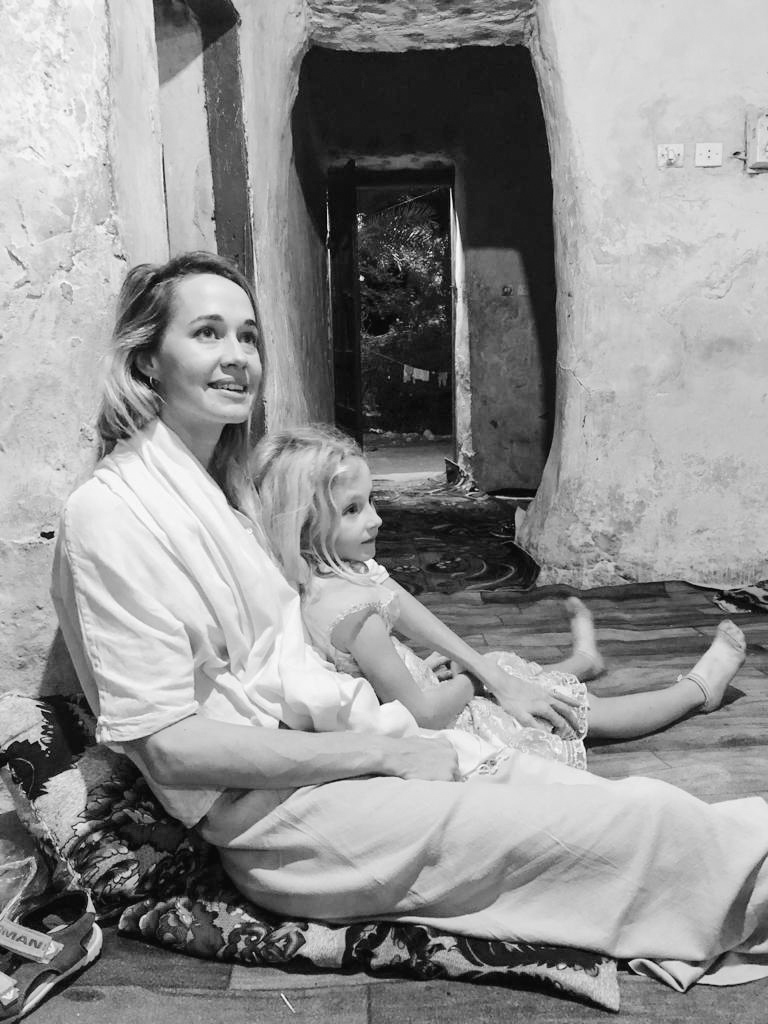
Imagine, if you will, walking into a huge outdoor space filled with hundreds of women. Hair down, wild and free. Their dresses made of colourful silks and delicate materials, adorned by hand sewn jewels, beads and pearls. Groups of elderly women sat around chatting and laughing while they watched the younger girls spin each other around, dancing and singing. These women were bursting with joy. They are silly and carefree.
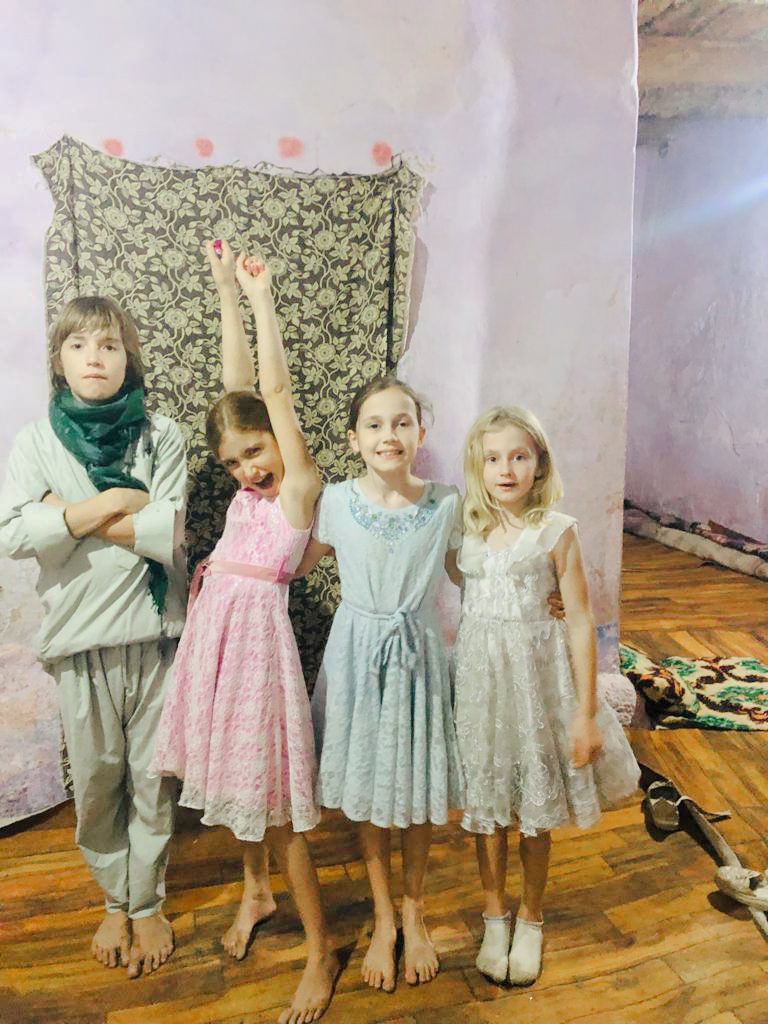
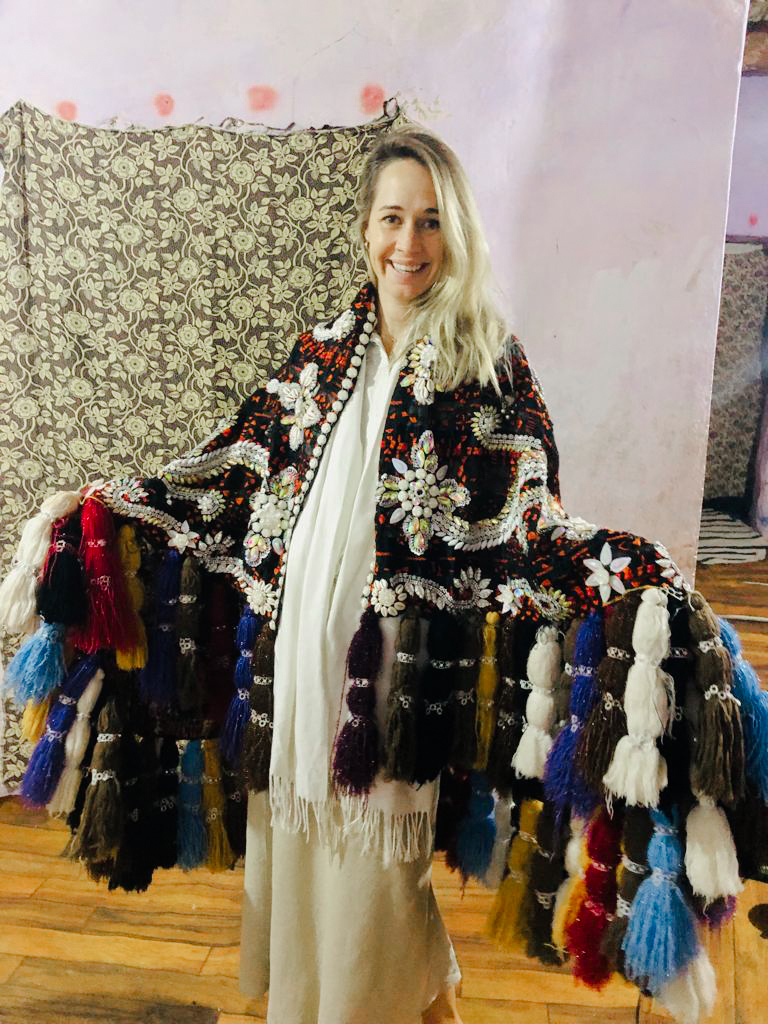
Note: Photography and videography were not allowed inside the actual wedding. Right: the traditional Siwan wedding shawl.
At one end of the field sat the bride on a brightly lit stage. The girls and I, and our friend, were warmly welcomed by our host and ushered through the crowd to pay our respects and speak words of congratulations. We became the entertainment, followed by throngs of young children and girls, curious and somewhat enamoured by our presence.
At some point I became separated from my two daughters and someone told me they had gone off to buy sweets at a nearby shop with some of the local children. The mothers present could see my concern, so a couple of minutes later the girls were returned to me and assured me that they were fine. Off they went again, with me unable to follow them through the always present crowd around me. Eventually I decided to sit where we stood and so did the crowd.
It’s such an odd thing, not knowing the language and having them ask me questions and try to converse. Thankfully our friend could interpret some of what they were asking. Despite the language barrier I felt so welcomed and knew that I was being given a precious gift, spending this time with the Siwan women.
It was an incredibly surreal experience, a glimpse behind the veil if you will. For three days the wedding continues before the bride is ‘stolen’ by the grooms family and driven around town to the celebratory sound of gunfire and fireworks. She is then taken back to her groom’s house and welcomed into the family, a large community of married in brides, sisters, mothers and friends.

As I processed what I had seen with my friend who has lived in Siwa for many years, I mentioned how I had felt so sorry for the women ‘hidden’ away in their homes before this night.
She replied with a smile that it was actually the local women who felt sorry for me.
Me who had to dirty my hands in the market place, haggling for food and exchanging money. Me who walked alone on the dirty streets, not surrounded by the sisterhood. Me who had to deal with the noise and chaos outside of a protected home and community.
Of course as a foreigner there are particular freedoms I enjoy and are used to, but for the majority of women in Siwa they are not only happy at home but it is where they thrive. Strong women who heavily influence the social infrastructure of their communities. Women who are highly respected and valued. Who raise children, look after their homes and cook together. A real village.
I wonder what my life might have looked like if it had been surrounded by different generations of women who intimately walked me through each season. Guiding me though adolescence, marriage and eventually having children. I wonder how it might feel to be surrounded by women who understood my story and experiences because it so closely mirrored their own. I also wonder at the freedom, safety and protection one might feel when only surrounded by trusted men who were related to me.

Of course the caveat for that is that the people and family you are born into is actually loving, kind and safe. I also wonder how I would thrive in a life where my gender mostly dictated the life set before me to marry, have children and stay at home.
We are so quick to jump to conclusions and assume based off what we ‘know’ and ‘hear’. I have been challenged even in the face of ‘proof’ that just because I don’t understand it, doesn’t mean I have the right to judge it. My opinions about what is right and even what freedom looks like is strongly linked to my upbringing, beliefs, religion and assumptions.
Maybe its ok for my life to look so very different than someone else’s. Maybe it doesn’t make it better or more valuable but simply just what I know. I do recognise the privilege of being born looking the way I do, from the country that is home, but I also have to wonder at the simplicity and beauty of community and tradition, found in the richness of traditional culture and generational belonging.
Our glimpse into the authentic Siwan life challenged me in so many ways. The older I get the more I realise how much I don’t know and the impact deep rooted beliefs have on how I see and judge the world around me. Imagine if we got curious, asked more questions and actually listened. There is almost always more to a story then what we see and it is foolish to think we know it all and have the right to judge something, or worse believe we are better because of it.
 The Whole of Us
Leave a comment